

Football is not simply a 90-minute running sport. A footballer needs to repeatedly run, sprint, accelerate, stop, change direction and recover throughout a match.
Unlike long-distance running, football requires players to switch continuously between low-, moderate- and high-intensity activities. A player may sprint to win the ball, slow down to reposition, accelerate again, and then repeat the sequence several times.
This is why stamina is an important component of football performance.
But football stamina is not simply about being able to run for a long time. It is also about the ability to recover between intense efforts and continue performing effectively as the match progresses.
What Does Stamina Actually Do for a Footballer?
Think of the aerobic system as the body’s engine.
Good aerobic fitness helps a footballer:
- Maintain activity throughout the match
- Recover between high-intensity efforts
- Repeat demanding actions
- Delay the effects of fatigue
- Maintain performance as the game progresses
A footballer with good aerobic fitness may be better prepared to recover between demanding actions and continue contributing late in the game.
However, stamina should not be confused with simply being able to run long distances.
Football Stamina Is Different From Long-Distance Running
A footballer may have excellent long-distance running ability but still struggle to repeatedly:
- Sprint
- Accelerate
- Decelerate
- Change direction
- Jump
- Press opponents
- Recover quickly between intense efforts
Football is an intermittent sport. The physical demands constantly change according to the situation on the field.
A typical sequence may look like:
SPRINT → RECOVER → ACCELERATE → RECOVER → SPRINT AGAIN
Therefore, football endurance needs to support repeated high-intensity actions rather than only continuous running.

Why Is Aerobic Fitness Important in Football?
During a football match, players repeatedly perform demanding actions with periods of lower-intensity activity in between.
The aerobic system plays an important role in helping the player sustain activity and recover between these efforts.
As fatigue develops, maintaining high-intensity performance can become increasingly difficult. This is particularly important during demanding periods of a match, when a player’s ability to repeat intense actions can influence their performance.
Good aerobic fitness can therefore support:
1. Recovery Between Sprints
After a high-intensity sprint, a footballer needs to recover before performing another demanding action.
Better aerobic fitness can support this recovery process.
2. Repeated High-Intensity Efforts
Footballers rarely perform just one sprint during a match. They may need to repeat sprints, accelerations and changes of direction throughout the game.
3. Maintaining Performance
Fatigue can affect a player’s ability to perform effectively as the match progresses.
A well-developed fitness base can help a player continue working and performing when the game becomes physically demanding.
Why Football Stamina Is About Repeated Performance
Consider a typical match situation:
SPRINT → RECOVER → SPRINT → RECOVER → SPRINT AGAIN
This repeated-effort ability is one of the key differences between football fitness and traditional endurance activities.
A footballer doesn’t simply need to cover distance.
They need to be able to perform the right action at the right time—even after repeated physical demands.
For example, a midfielder may need to:
- Sprint forward during an attack.
- Recover while the opposition has possession.
- Accelerate to close down an opponent.
- Change direction.
- Sprint again to support the next phase of play.
This cycle can occur repeatedly during a match.
How Should a Footballer Train Stamina?
Football endurance training should ultimately become football-specific.
Depending on the player’s age, position, fitness level, training history and competition schedule, conditioning may include:
High-Intensity Aerobic Intervals
Intervals can be used to develop the ability to repeatedly work at higher intensities with controlled recovery periods.
Intermittent Running
Intermittent running reflects the changing intensity demands that are common in football.
Shuttle Running
Shuttle-based exercises can combine running with acceleration, deceleration and changes of direction.
Speed-Endurance Training
Speed-endurance work can help players develop the ability to maintain high-intensity efforts repeatedly.
Small-Sided Games
Small-sided games can provide a more football-specific conditioning environment while incorporating technical and tactical elements.
Sport-Specific Conditioning
Conditioning should reflect the actual demands of the player’s position and playing style wherever appropriate.
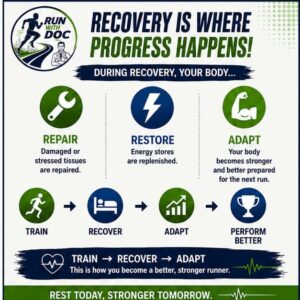
Should Footballers Just Run More?
Not necessarily.
The goal of stamina training isn’t simply to make a footballer run more kilometres.
A footballer’s conditioning program should be designed around the demands of their sport.
Factors such as:
- Age
- Playing position
- Current fitness
- Training level
- Previous training load
- Competition schedule
- Recovery
- Individual goals
can influence how conditioning should be structured.
A central midfielder, winger, defender and goalkeeper may not require exactly the same physical preparation.
The objective is to develop the physical capacity needed to perform effectively throughout the match.
Stamina and Football Performance: What Happens When Fatigue Sets In?
As fatigue develops, maintaining high-intensity activity can become more challenging.
A player may find it harder to:
- Repeat sprints
- Accelerate quickly
- Track an opponent
- Recover after intense efforts
- Press effectively
- Make repeated runs
- Maintain physical intensity late in the match
This is why football fitness is closely connected to performance.
Stamina isn’t only about surviving the final minutes of a game.
It is about helping the footballer remain capable of performing the actions the game demands.
Building a Footballer’s “Engine”
A useful way to think about football conditioning is to imagine the player as having an engine.
Technical skills determine what the player can do with the ball.
Tactical understanding determines where and when the player should act.
Physical fitness helps determine whether the player can continue performing those actions effectively throughout the match.
A well-developed aerobic system can support the player’s ability to recover between demanding efforts and maintain activity over the course of the game.
But the best conditioning program isn’t necessarily the one with the most running.
It is the one that appropriately prepares the player for the specific demands of football.
When Should Football Stamina Training Be Individualized?
Not every footballer should follow the same conditioning program.
Training should take into account:
- Age and development
- Playing position
- Current fitness level
- Training history
- Match frequency
- Competition schedule
- Recovery status
- Individual performance goals
For example, a young developing player may require a different approach from an experienced competitive footballer.
Similarly, a player returning from an injury may need a carefully progressed conditioning program rather than immediately returning to full-intensity training.
This is where sports medicine and performance planning can work together to help athletes progress appropriately.
The Bottom Line
A footballer doesn’t need stamina simply to survive 90 minutes.
They need stamina to recover between intense efforts, repeat demanding actions and continue performing at a high level throughout the match.
Football endurance is therefore about much more than running longer distances.
The goal is to develop an athlete who can:
RUN → SPRINT → RECOVER → ACCELERATE → CHANGE DIRECTION → RECOVER → PERFORM AGAIN
Don’t just train your legs.
Train your engine.
Frequently Asked Questions
1. Why does a footballer need stamina?
A footballer needs stamina to maintain activity throughout a match, recover between high-intensity efforts and repeatedly perform demanding actions such as sprinting, accelerating and changing direction.
2. Is stamina important for football performance?
Yes. Stamina and aerobic fitness can support a player’s ability to recover between intense efforts and maintain physical performance as the match progresses.
3. Is football stamina the same as long-distance running endurance?
No. Football involves repeated changes in intensity, including sprinting, accelerating, stopping, changing direction and recovering. Therefore, football endurance needs to reflect the intermittent nature of the sport.
4. What is the best way to improve football stamina?
Depending on the player and their training needs, conditioning may include high-intensity aerobic intervals, intermittent running, shuttle running, speed-endurance exercises and small-sided games.
5. Should footballers run every day to improve stamina?
Not necessarily. The appropriate amount and type of conditioning depends on the player’s age, position, fitness, training level, competition schedule and recovery.