

Do you experience pain or stiffness at the back of your ankle after running? Achilles tendon pain is a common concern among runners. It can begin as mild discomfort during exercise and gradually affect running performance, walking and everyday activities.
One common cause is Achilles tendinopathy, a condition associated with pain, stiffness and reduced function of the Achilles tendon. Because this tendon handles substantial forces during running, sudden changes in training volume, speed or intensity may contribute to symptoms when the tendon cannot adequately tolerate the increased load.
However, not all Achilles pain has the same cause. Understanding the symptoms, identifying potential contributing factors and following an appropriate rehabilitation plan can help runners manage the problem and return to activity more safely.
If your symptoms persist or affect your ability to run, consulting a professional experienced in sports injury treatment in Pune can help you determine the cause and appropriate next steps.
What Is the Achilles Tendon?
The Achilles tendon is a strong band of connective tissue that connects the calf muscles—the gastrocnemius and soleus—to the heel bone, known as the calcaneus.
It plays an essential role in walking, running, jumping and pushing off the ground. During running, the tendon transfers force from the calf muscles and stores and releases elastic energy to support movement.
Every running stride places repeated demands on the Achilles tendon. For this reason, it needs adequate strength, recovery and progressive exposure to training loads.
When the demands placed on the tendon exceed its current capacity, pain and reduced function may develop.
Why Does Achilles Tendon Pain Develop After Running?
One common contributing factor is a mismatch between the load placed on the tendon and its ability to tolerate that load.
Several training and individual factors may contribute to Achilles tendon pain.
1. A Sudden Increase in Running Distance
Increasing weekly mileage too quickly can expose the tendon to more repetitive loading than it is prepared to handle. Runners returning after a break may be particularly vulnerable if they resume their previous training volume immediately.
2. Increasing Speed or Sprinting
Fast running and sprinting require greater force production from the calf muscles and Achilles tendon. Adding speed sessions without building up gradually may increase tendon stress.
3. Running on Hills
Uphill running changes the demands placed on the calf muscles and Achilles tendon. A sudden increase in hill training can aggravate symptoms in runners who are not accustomed to this workload.
4. Insufficient Recovery
Frequent demanding sessions without enough recovery may make it difficult for the tendon to adapt. Recovery needs vary depending on training history, intensity, strength and individual response.
5. Returning to Running Too Quickly
After an injury or period of reduced activity, the tendon may not immediately tolerate the same distance or intensity as before. Returning too quickly can cause symptoms to recur.
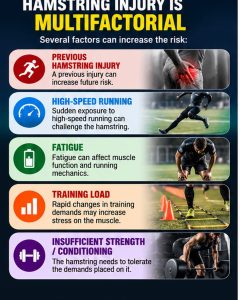
Achilles tendinopathy is multifactorial. Training load, tendon capacity, strength, biomechanics, recovery and individual characteristics may all play a role. There is no single explanation that applies to every runner.
Does Achilles Tendon Pain Mean You Must Stop Running Completely?
Not necessarily. For many cases of Achilles tendinopathy, treatment focuses on modifying aggravating activities and gradually rebuilding tendon capacity rather than avoiding all movement indefinitely.
The appropriate approach depends on symptom severity, tendon location, functional ability and whether the problem is tendinopathy or an acute injury.
A useful rehabilitation principle is:
Modify → Strengthen → Progress → Return
- Modify: Temporarily reduce or adjust the running activities that aggravate symptoms.
- Strengthen: Introduce appropriate exercises to rebuild calf and tendon capacity.
- Progress: Gradually increase exercise resistance and running demands as tolerated.
- Return: Reintroduce running, faster efforts and hills according to symptoms and functional readiness.
Progression should not follow a fixed timeline alone. Persistent pain or worsening symptoms may indicate that the exercise or running load needs reassessment.

Why Is Calf Strengthening Important?
The calf muscles and Achilles tendon work together to generate and transfer force during running. Progressive strengthening can help rebuild the capacity needed for repeated strides, faster running and jumping.
Depending on the runner’s needs, a rehabilitation programme may include:
- Seated calf raises: Develop calf strength with the knee bent.
- Standing calf raises: Train the calf muscles and Achilles tendon during heel-raising movements.
- Progressive resistance exercises: Increase the challenge as strength and tolerance improve.
- Hopping and running drills: Introduce higher-impact demands when appropriate.
These exercises are examples, not a universal programme. The selection, resistance, range of movement and progression should be adapted to the individual’s symptoms, tendon location and running goals.
Runners seeking Achilles tendon treatment in Pune should look for an assessment-led approach that considers both the current symptoms and the physical demands of their sport.
Midportion vs. Insertional Achilles Tendinopathy
Achilles tendinopathy can affect different parts of the tendon. Knowing the location of the pain matters because rehabilitation strategies may need to be adjusted.
Midportion Achilles Tendinopathy
Pain is generally located a few centimetres above the heel bone, within the middle section of the tendon. Runners may notice stiffness after rest or discomfort during running and calf-loading exercises.
Insertional Achilles Tendinopathy
Pain occurs where the Achilles tendon attaches to the heel bone. Certain ankle positions can increase compression at this attachment, potentially aggravating symptoms.
For insertional tendinopathy, exercises may need to be modified to reduce excessive compression while gradually building tendon capacity. For example, lowering the heel deeply below the level of a step may not be appropriate for everyone during the early stages.
The best exercise strategy depends on the clinical assessment and the runner’s response to loading.
Is Stretching Enough to Treat Achilles Tendon Pain?
Stretching the calf may feel comfortable for some runners, particularly when stiffness is present. However, stretching alone is not a complete treatment for Achilles tendinopathy.
Rehabilitation generally aims to restore the calf muscles’ strength and the tendon’s ability to tolerate the forces involved in running.
An effective plan may combine progressive strengthening, appropriate activity modification and a gradual return to running.
It is also important to consider tendon location. With insertional Achilles tendinopathy, some stretching positions can increase compression around the tendon attachment. Exercises should therefore be selected according to symptoms and professional guidance.
If ankle pain keeps returning despite rest and stretching, consider sports injury treatment in Pune to identify the likely cause and develop a suitable recovery plan.
When Should a Runner Consult a Sports Injury Specialist?
Do not ignore persistent or worsening Achilles tendon pain, particularly if it starts affecting your normal activities.
Consider professional assessment if you experience:
- Persistent pain or stiffness after running.
- Pain that progressively worsens during training.
- Swelling or tenderness around the tendon.
- Difficulty running, walking or climbing stairs.
- Repeated symptoms whenever running volume increases.
- Sudden severe pain, a popping sensation or difficulty pushing off.
Sudden symptoms suggesting a tendon rupture require prompt medical attention.
A sports injury specialist in Pune can help assess your symptoms, examine tendon function and distinguish Achilles tendinopathy from other causes of pain at the back of the ankle.
How Long Does Achilles Tendon Pain Take to Recover?
Recovery time varies. Mild symptoms may settle relatively quickly after appropriate load modification, while persistent Achilles tendinopathy can require a longer period of progressive rehabilitation.
The timeline depends on factors such as:
- How long the symptoms have been present.
- The location and severity of the tendon problem.
- Current calf strength and tendon-loading capacity.
- Training demands and recovery habits.
- Consistency with the rehabilitation plan.
A return to running should be guided by improvements in symptoms and function, rather than a guaranteed number of days or weeks. An acute tendon rupture follows a different treatment and recovery pathway.
Frequently Asked Questions
1. Why does my Achilles tendon hurt after running?
Achilles tendon pain may develop when the load placed on the tendon exceeds its current capacity. Sudden increases in running distance, speed or hills, insufficient recovery and returning too quickly after inactivity may contribute.
2. Should I run with Achilles tendon pain?
It depends on the severity and cause of the pain. Some runners with tendinopathy can continue modified activity, but running may need to be reduced or temporarily paused. Sudden severe pain, a popping sensation or loss of push-off strength requires prompt medical assessment.
3. What are the best exercises for Achilles tendon pain?
Calf raises and progressive resistance exercises are commonly used in Achilles rehabilitation. The right exercises depend on whether the pain affects the midportion or insertion of the tendon, as well as symptom severity and individual capacity.
4. Is Achilles tendinopathy the same as Achilles tendonitis?
The terms are often used interchangeably, but Achilles tendinopathy is commonly preferred for persistent tendon pain and impaired function. It does not assume that inflammation alone explains the condition.
5. Can stretching cure Achilles tendon pain?
Stretching alone is unlikely to address all the factors involved. Appropriate load modification and progressive strengthening are central to rehabilitation, with stretching adjusted to symptoms and tendon location.
6. When should I seek Achilles tendon treatment in Pune?
Consider an assessment if the pain persists, repeatedly returns, limits running or affects daily activities. Seek urgent assessment after sudden severe pain, a pop or a sudden loss of push-off ability.